Sump pumps & basement water
A failed sump, a stuck float, or a power loss during a storm can leave a finished lower level standing in water.
Water rarely stays where it started. It slips under floors, into walls, and down to the basement. Call to find the full wet area, pull the water out, dry the structure, and plan what comes next.
Call (331) 294-6214Call day or night to talk through what happened at your property.
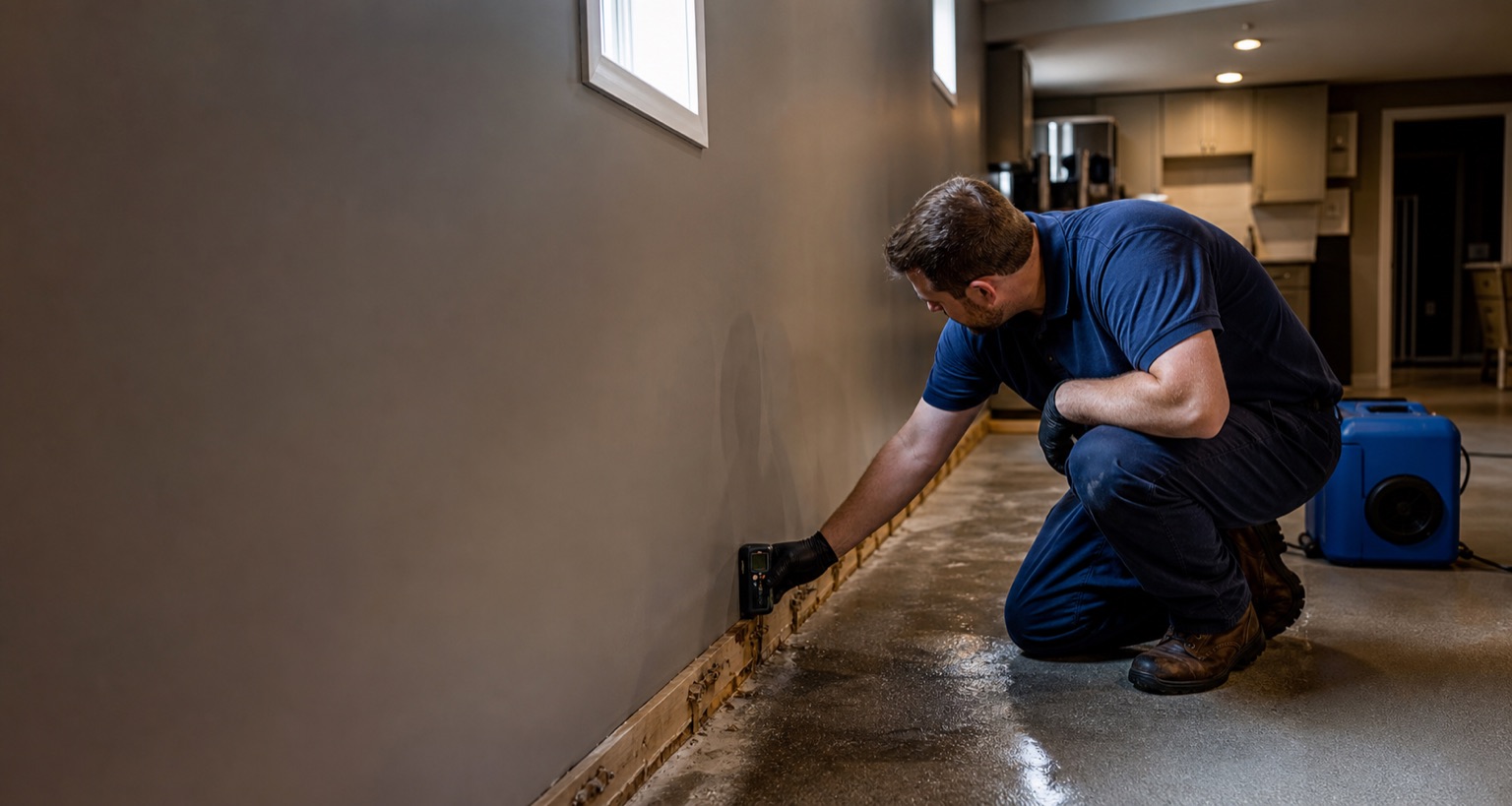
01 / What we handle
Every job is different. The right plan depends on the source, how long things stayed wet, and which rooms and materials the water reached.
Pull standing water out of the accessible areas before it keeps soaking floors, trim, and drywall.
Read about water extractionCheck under floors, behind baseboards, inside walls, and in the rooms below for water you cannot see.
Set air movers and dehumidifiers, then track moisture readings until the materials are actually dry.
Read about structural dryingClean the affected surfaces and clear debris based on the water source and what it touched.
Sort what can be dried or cleaned from what should be removed before damage or odor spreads.
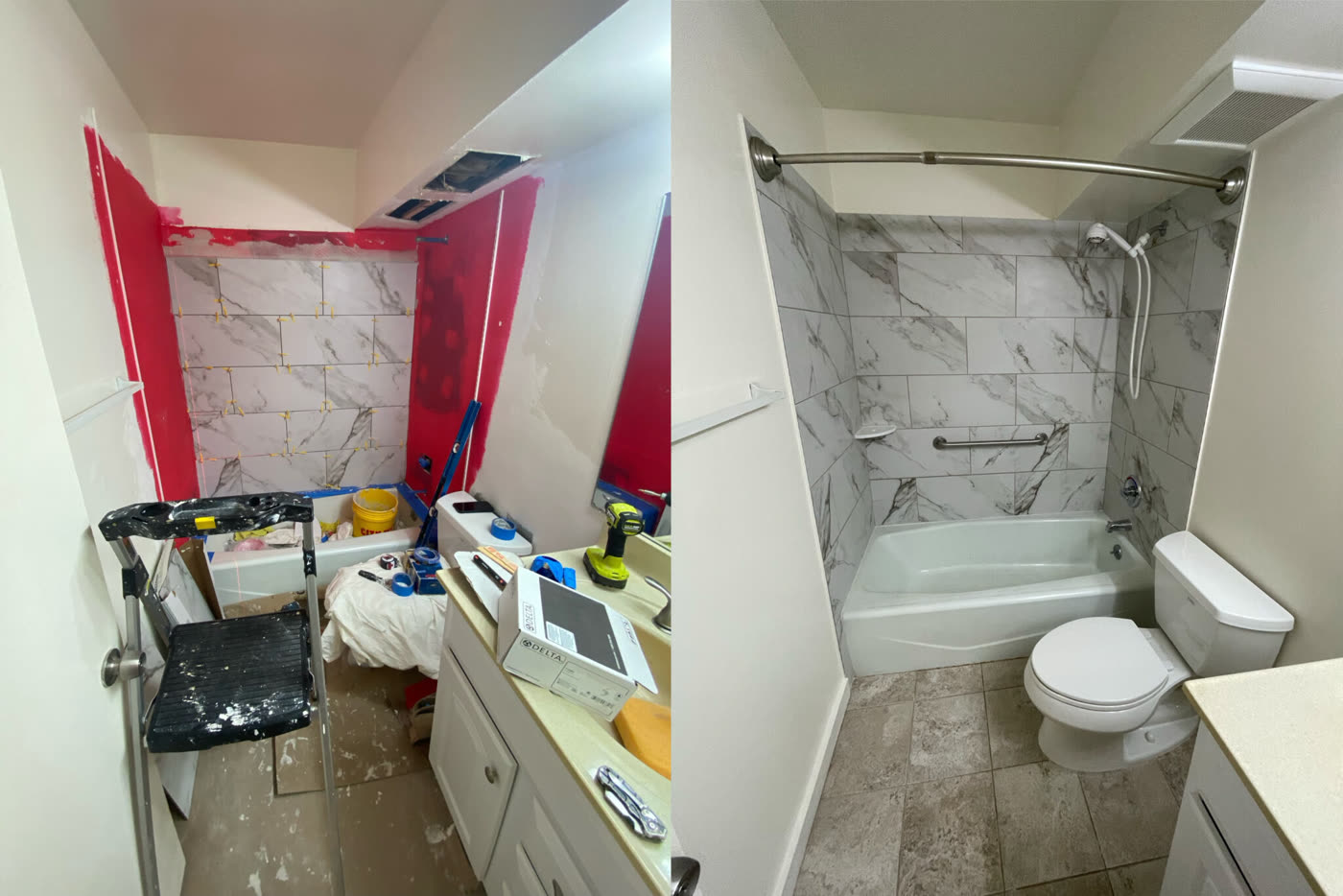
Move from a dried-out space into a documented repair plan once the readings are back to normal.
02 / Naperville risk notes
Homes here mix finished basements, sump systems, and real Illinois winters. Knowing the likely source helps point the search in the right direction.
A failed sump, a stuck float, or a power loss during a storm can leave a finished lower level standing in water.
A hard freeze can split a supply line. Water may run for hours before anyone notices, especially inside a wall or an unused room.
Heavy rain and snowmelt push water toward foundations, window wells, and floor drains that cannot keep up.
Water heaters, washing machines, dishwashers, and overflowing fixtures are common indoor sources any time of year.
03 / How we work
No star ratings or slogans here — just a way of working you can hold a company to.
The visible edge is a starting point. We trace where water could travel and check the connected materials.
Moisture meters and readings decide when an area is dry, instead of a look or a gut feeling.
Safety and source first. Then removal, drying, cleaning, and repair planning — each a separate step.
Photos, readings, and scope notes are recorded along the way so the loss is easy to explain later.
04 / What restoration looks like
Every property is different, but the work usually moves through the same stages.
You describe what happened. We talk through immediate safety — electrical, ceilings, contaminated water — and the likely source.
Accessible standing water comes out first so it stops soaking into floors, trim, and contents.
Equipment runs and readings are checked over several days until the materials reach a normal moisture level.
Affected surfaces are cleaned, and the photos, readings, and scope are organized for the claim.
With the space dry and documented, the conversation moves to the repairs that put the property back together.
05 / Insurance documentation
A water claim is easier to follow when the damage and the work are documented from the start.
The insurance carrier decides coverage, approvals, deductibles, and payment under your policy.
06 / Serving Naperville, IL
From the neighborhoods near the Riverwalk to the newer subdivisions, Naperville homes share a mix of finished basements, sump systems, and four real seasons. A useful plan starts with your actual property — not a script.
Call to talk through the source, the rooms involved, and the next step. Property owners across Naperville and nearby communities are welcome to call.
Read the Naperville water damage guide → Call for Naperville service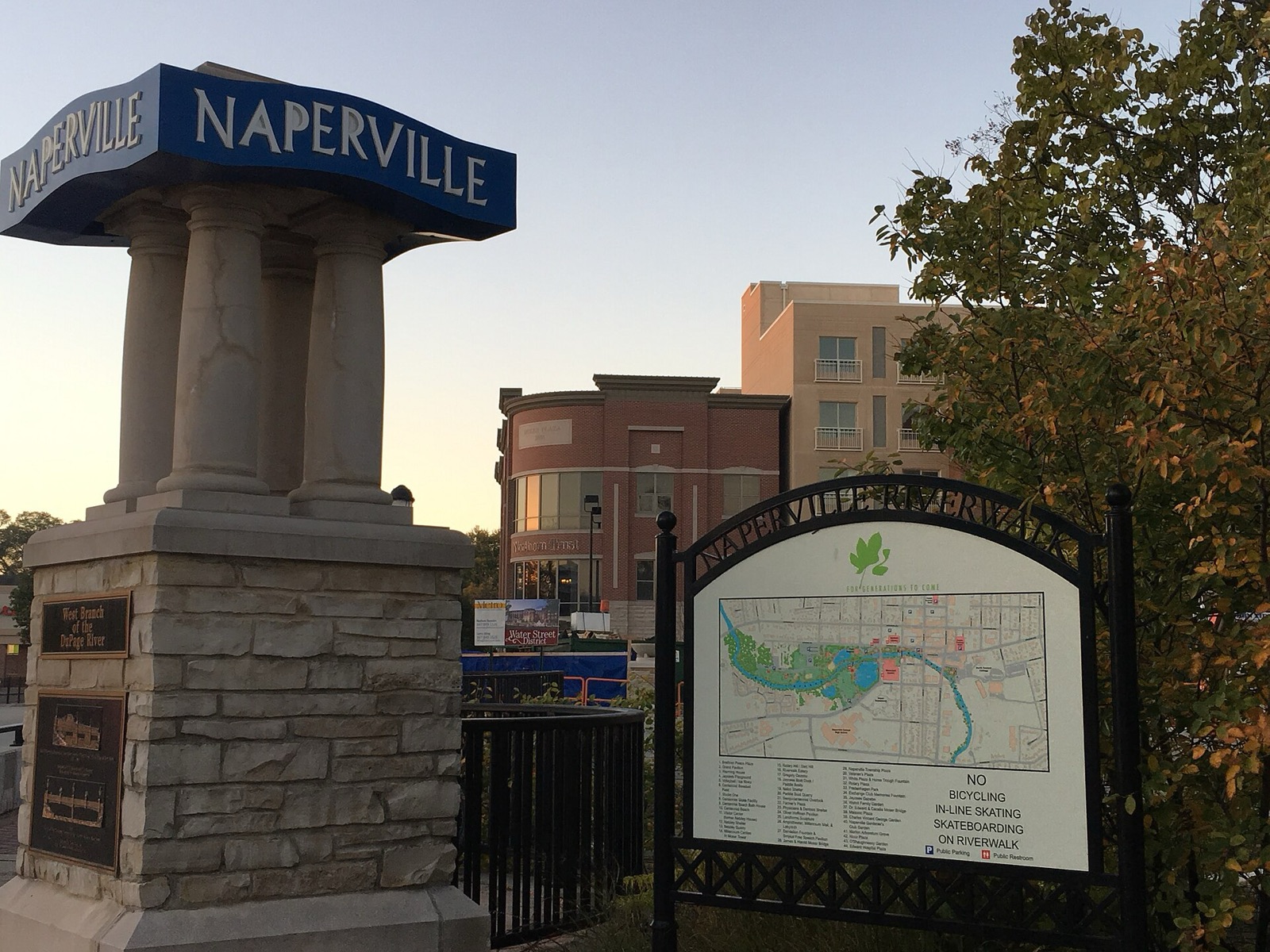
07 / Questions
Clear answers can help you make the next decision with less guesswork.
Act as soon as it is safe. Water keeps moving into floors, walls, cabinets, and the rooms below even after it stops flowing. Stay away from wet electrical areas and sagging ceilings, stop the source only if you can reach it safely, take photos, and call to talk through the next step.
Yes. Help is available 24 hours a day, 7 days a week. Water damage does not wait for business hours, so call whenever it happens and you can talk through what is going on.
Water travels under flooring, behind baseboards, inside wall cavities, and down to the basement. Moisture that stays trapped can lead to swelling, stains, odors, and mold. Checking the full water path shows what really needs drying or removal.
Removing standing water can be quick, but drying the structure often takes several days. Hidden moisture, hard-to-reach spots, contamination, and materials that must come out can add time. Moisture readings and the conditions at your property guide the schedule.
It depends on your policy and what happened. Many policies cover sudden and accidental water damage, while flooding, slow leaks, and maintenance problems may be excluded. Tell your carrier promptly and ask about mitigation, documentation, and your deductible.
Yes. The restoration team can organize photos, moisture and condition records, affected-material details, and the restoration scope, and can coordinate with your adjuster when you ask. The carrier still decides coverage, approvals, deductibles, and payment under the policy.
Sometimes. It depends on the material, the water source, how long it stayed wet, contamination, and its condition. Acting early improves the chance of drying or cleaning suitable materials. Items that cannot be made dry and clean may need to be replaced.
Common sources include sump-pump failures and basement water, frozen or burst pipes in winter, storm runoff and saturated ground, and leaks from appliances or fixtures. Each source sends water along a different path, so the affected rooms and materials should be checked.
Tell us what happened — the source, the rooms, and any safety concerns — and get a clearer path through removal, drying, cleanup, and repairs.
Call (331) 294-6214